How to Use Auto Captions on CapCut (Easy Guide)
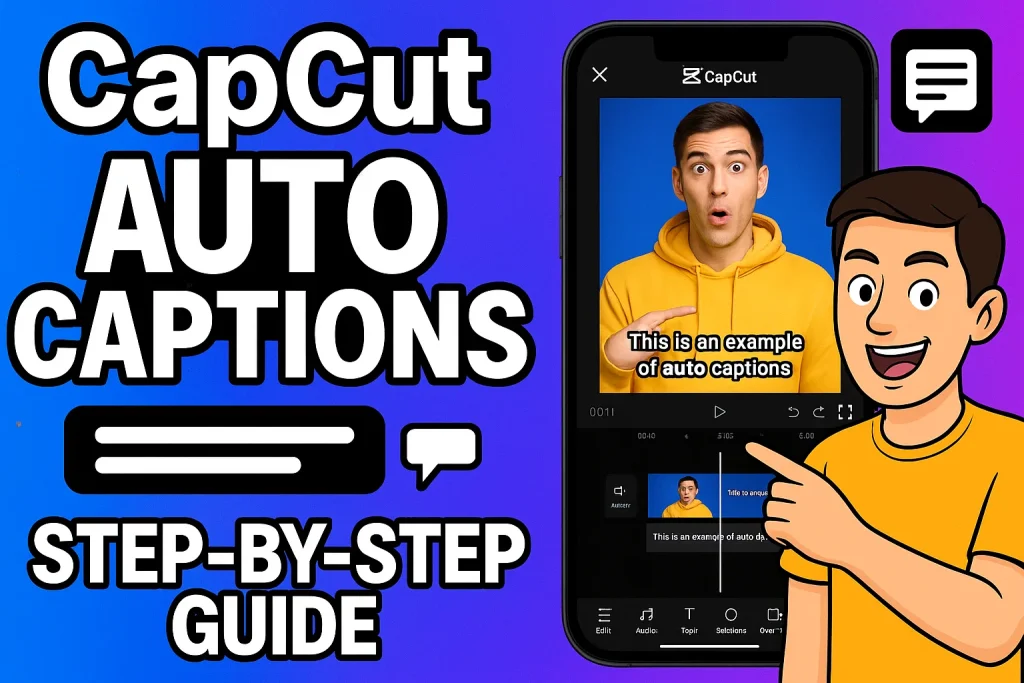
Creating engaging videos is no longer just about visuals—captions have become essential for storytelling and accessibility. If you’ve ever scrolled past a muted video, you know how easy it is to miss the message. That’s where CapCut, one of the most popular free video editing apps, comes in with its powerful auto captions feature.
Many CapCut beginners struggle with manually typing subtitles, which is not only time-consuming but also prone to errors. CapCut solves this by automatically generating accurate subtitles directly from your video’s audio. This means you don’t need advanced editing skills to make your content more inclusive and audience-friendly. Whether you’re a beginner or a social media pro, it’s a tool built for everyone.
What makes CapCut stand out is its combination of AI-driven captioning, customization options, and a user-friendly interface. By the end of this guide, you’ll know exactly how to generate, edit, and style auto captions that boost engagement on platforms like TikTok, Instagram, and YouTube. Let’s explore how to make your videos not just watchable but truly impactful with CapCut.
People Also Like:
- How to Remove Background in CapCut
- How to Effortlessly Increase Video Quality in CapCut up to 4K
- Capcut Tips And Tricks for Advanced Video Editing
Why Use Auto Captions for Your Videos?
Accessibility for Everyone
Not every viewer can rely on audio. Auto captions make your videos accessible to people who are deaf or hard of hearing. They also help international audiences follow along if English isn’t their first language. By adding subtitles, you’re showing inclusivity and care for your entire audience.
Stronger Engagement
Think about how often people watch videos on mute while commuting or scrolling late at night. Without text overlays, your message may get lost. With captions, viewers can instantly grasp your content, which keeps them watching longer and reduces drop-offs.
Better Reach on Social Media
Social platforms reward content that holds attention. Adding auto-generated subtitles improves retention, boosts watch time, and signals quality to algorithms. This leads to better visibility on TikTok, Instagram Reels, and YouTube Shorts—helping your videos reach a wider audience.
How to Add Auto Captions in CapCut
Step 1: Open Your Project
- Launch the CapCut APK app and select the project where you want to add captions. If you’re starting fresh, simply tap “New Project” to begin editing.
Step 2: Import Your Video
- Upload the video clip from your phone’s gallery or camera roll. Make sure you select the correct file to avoid re-editing later.
Step 3: Navigate to the Text Tools
- Once your video is on the timeline, look for the “Text” option at the bottom toolbar. This is where you’ll find all the tools related to captions and subtitles.
Step 4: Select “Auto Captions”
- Tap on “Auto Captions” from the menu. CapCut will now prepare to analyze your video’s audio track and generate text.
Step 5: Choose Language and Settings
- Before generating, choose the correct language for your video. CapCut supports multiple languages, making it ideal for global creators. You can also adjust small settings like filtering filler words.
Step 6: Generate Captions Automatically
- Finally, tap “Start” and let CapCut’s AI-powered tool create captions for you. In just a few seconds, your video will have subtitles synced with the spoken words.
Tips for Making Your Captions More Effective
Keep Sentences Concise
Short and clear captions are easier to read, especially on small mobile screens. Avoid cramming too much text in one line—break it into simple phrases so viewers don’t lose focus while watching.
Match Captions with On-Screen Actions
Always sync your subtitles with the visuals and spoken words. If your captions appear too early or too late, viewers may get confused. Proper timing makes your content smoother and more professional.
Use Consistent Styling
Choose a clean font, readable size, and matching colors for your text overlays. Consistency helps your captions blend seamlessly with your video while maintaining your brand’s identity across platforms.
Common Issues and How to Fix Them
Captions Not Syncing Properly
Sometimes auto captions may appear too early or too late. To fix this, manually adjust the subtitle timing in the editing panel. Dragging the text box on the timeline lets you sync captions perfectly with the spoken words.
Language Detection Errors
If CapCut struggles to recognize your audio, it might generate the wrong subtitles. Always double-check the language settings before creating captions. For mixed-language videos, you may need to split the audio into sections and apply captions separately.
Formatting Glitches
Occasionally, captions may overlap or appear uneven. This usually happens if text is too long or styling isn’t set properly. The solution is simple: shorten lines, choose a clear font style, and adjust placement to make your text overlays clean and easy to read.
Also Read”
Final Thoughts
Using auto captions in CapCut isn’t just about convenience—it’s about making your videos more accessible, engaging, and shareable. We’ve walked through what captions are, why they matter, how to generate them, and even how to fix common issues. With a few clicks, you can transform your content into something that connects with a much wider audience.
Of course, like any tool, auto-generated subtitles aren’t perfect. You may need to tweak timing, polish the formatting, or correct small errors. Still, CapCut provides a fast, reliable foundation that saves creators hours of manual work. For most, the benefits far outweigh the occasional adjustments needed.
If you’ve tried using auto captions on CapCut, we’d love to hear about your experience—drop your thoughts in the comments. And if you’re ever stuck, don’t hesitate to share this guide with others or reach out to CapCut’s support team for help. After all, the best videos aren’t just watched—they’re understood.
FAQs

Daniel Carter is a tech blogger who enjoys testing Android apps and video editing tools. He has been using and reviewing apps like CapCut for a few years and writes simple guides to help people get the most out of them. Daniel believes that editing doesn’t have to be complicated—his step-by-step tips make it easy for beginners to learn and improve. When he’s not writing, you’ll usually find him trying new apps or sharing CapCut updates with his readers.